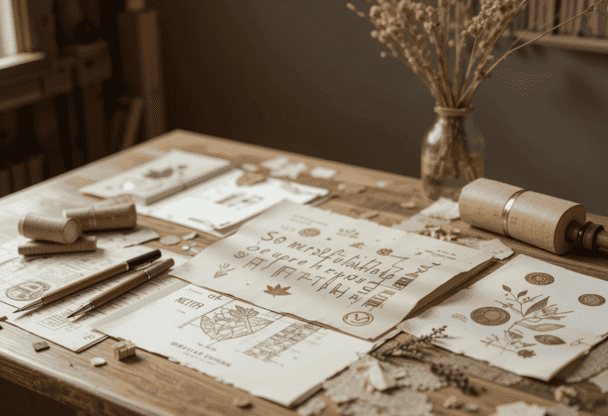






Creating handmade jewellery is an art form that combines skill, creativity and passion. Each piece is a unique masterpiece, reflecting the craftsman's skill and artistic eye. In this article, we'll explore the techniques and design involved in producing handmade jewellery, delving into the fascinating world of handmade jewellery.
The Techniques Behind Handmade Jewellery
Mastering the craft
Creating handmade jewellery requires an intricate set of skills and a deep knowledge of the materials used. Let's take a look at some of the fundamental techniques involved:
1. Jewellery: The Art of Metal Handling
Goldsmithing is at the heart of jewellery production. Goldsmiths work with precious metals such as gold, silver and platinum, using techniques such as casting, forging, soldering and texturing to shape the pieces. The ability to master these techniques is essential for creating durable and aesthetically appealing jewellery.
2. Gem Cutting: Turning Raw Stones into Brilliant Ones
Gems are the highlight of many jewellery pieces, and cutting is the art of shaping and polishing rough gemstones to enhance their beauty. Each gem requires a specific cut to reveal its maximum potential for brilliance and colour. Experienced cutters know how to choose the best cutting angle to bring out the unique characteristics of each stone.
3. Enamelling: Adding Colour and Intricate Details
Enamelling is a technique that involves applying coloured enamel to metal and then fusing it at high temperatures. This creates colourful and intricate details in jewellery, allowing artisans to incorporate unique design elements.
The Design of Handmade Jewellery
From idea to creation
In addition to specific techniques, design is a fundamental part of creating handmade jewellery. Here are some important aspects of jewellery design:
1. taking inspiration from nature and culture
Many jewellery designers find inspiration in nature, incorporating elements such as flowers, leaves and organic shapes into their pieces. In addition, cultural influences can play an important role in design, resulting in jewellery that tells stories and carries deep meanings.
2. Balance and Proportion
Balance and proportion are essential to jewellery design. Designers must consider how the different elements of the piece relate to each other and how the jewellery fits the wearer's body. Skilful use of stones, metals and decorative details creates a visual harmony that is appealing to the eye.
3. Personalisation and Unique Pieces
One of the advantages of handmade jewellery is the ability to personalise it. Artists can create bespoke pieces for clients, incorporating their preferences and personal history into the jewellery. This results in unique and meaningful pieces that are truly special.
The Future of Handmade Jewellery
Celebrating individuality
Handmade jewellery continues to thrive in a world dominated by mass production. As consumers seek unique and meaningful products, the demand for handmade jewellery remains strong. The future of handmade jewellery is full of opportunities for talented designers and skilled goldsmiths who want to continue creating exceptional pieces.
Handmade Jewellery - Expressions of Art and Elegance
The creation of handmade jewellery is a perfect marriage between art and technical skill. Each piece is a unique expression of creativity and passion, destined to delight and inspire those who wear them. By mastering techniques and embracing innovative design, artisan goldsmiths continue to shape the future of jewellery, providing jewellery lovers with the opportunity to own truly special and meaningful pieces.